

A heavy steering wheel or a loud, persistent whining noise often leads drivers to assume the power steering pump is dead. However, replacing a functional pump because of a $15 leaking hose or a worn belt is a common and costly mistake. Before you commit to a major repair, here is how to isolate the true mechanical root cause.
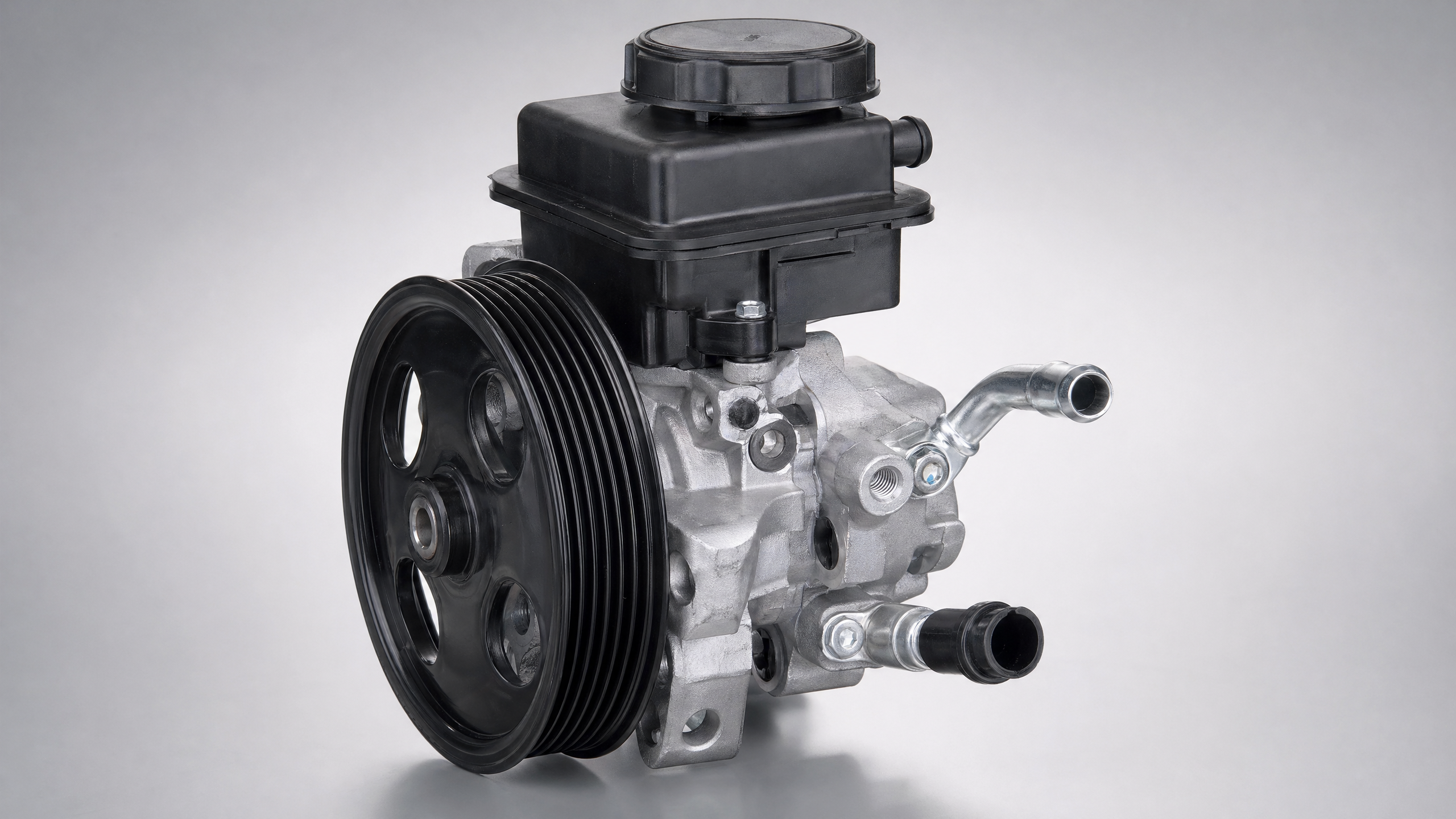
Recognizing the "Red Flag" Indicators
Before picking up a wrench, look for these common warning signs that point toward a hydraulic failure:
- The RPM Whine: A loud, high-pitched noise that increases in frequency specifically as you rev the engine.
- Sudden Resistance: Heavy steering where you lose power assistance, making the wheel extremely difficult to turn during low-speed maneuvers in a parking lot.
- Fluid Contamination: Grey, black, or foamy fluid visible in the reservoir.
- Visible Puddles: Red, pink, or clear fluid dripping from the front of the engine bay.
A Logical Path to Diagnosis
1. Assess the Repair Environment (Before You Start)
Before starting, determine the accessibility of the pump. On many inline-4 engines, the pump is an "External Attachment" easily reached at the top of the engine—a perfect DIY task. However, if you are working on a transverse V6 where the pump is buried near the subframe, the job becomes significantly more complex.
2. Rule Out the "Distractor" Components
Ensure the pump's operating environment is healthy before condemning the part.
- The Belt Test: A sharp squealing sound often comes from a loose serpentine belt or a faulty tensioner on a Honda Odyssey or Toyota Sienna rather than the pump itself.
- Hose & Fluid Levels: Check the high-pressure hose crimps. A leak here can starve the system, causing a "moan" that mimics a mechanical failure even if the pump is sound.
3. Analyzing Electronic and Fluid Signals
If your vehicle's computer throws a P0550 code (Power Steering Pressure Sensor), a faulty sensor might be tricking the system into providing incorrect assistance levels. To confirm internal mechanical damage, wipe the dipstick on a clean white cloth. If you see metallic "glitter," the pump's internal vanes are disintegrating, providing ironclad evidence for replacement.
4. Differentiating Between "Morning Sickness" and Pump Failure
If your steering is heavy only when the engine is cold but improves after a few minutes of driving, the fault is likely in the steering rack seals—not the pump. However, if you see oil spraying or weeping from behind the power steering pulley, the pump's main shaft seal has failed. If the fluid looks like a "strawberry milkshake," the pump is sucking air through a cracked inlet housing or a worn O-ring.
Matching the Solution to the Finding
Choose your replacement parts based on the specific failure discovered during your inspection:
| Diagnostic Finding | Recommended SKU Solution | Essential Accessories |
|---|---|---|
| Whining + Metallic flakes in fluid | New Power Steering Pump | New O-rings, OEM-Spec fluid |
| Squealing + Visible belt cracks | Serpentine Belt & Tensioner | Standard wrench set |
| Leaking from hose fittings | High-Pressure Hose Assembly | Flare Nut Wrench |
| Bubbles + No external leaks | Inlet O-Ring / Reservoir Seal | Degreaser for cleaning |
Critical Vehicle Variations
The technology under your hood dictates your repair strategy:
- Traditional Hydraulic Systems: These are common on older high-volume models like the 2003-2007 Honda Accord or Acura TL.
- EHPS (Electro-Hydraulic): Many modern European cars (and some Ford or Mazda models) use an electric motor to drive the hydraulic pump. Always check fuses and wiring harnesses before replacing the unit.
- The "Honda Warning": Using generic power steering fluid in a Honda, Acura, or certain European vehicles can destroy the new pump's seals within weeks. Always use the specific fluid listed in your owner's manual.
The Bottom Line
By moving from "parts changing" to a root-cause approach, you ensure that your DIY repair is a permanent fix. Taking the time to verify the belt, hoses, and fluid type can save you hundreds in unnecessary component costs.